
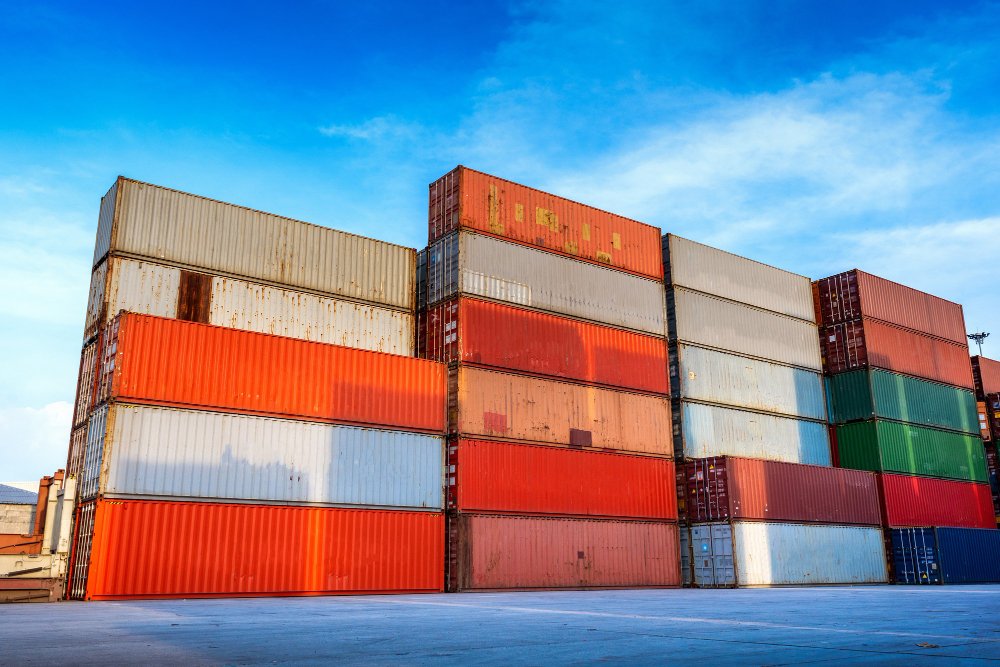
Choosing between a 20ft and a 40ft shipping container can make a significant difference in your storage capacity, transportation planning, and overall project costs. Whether you need extra space for construction materials, inventory, equipment, or shipping operations, selecting the right container size helps you make the most of your investment.
When comparing a 20ft vs. 40ft shipping container, consider more than just length. Your available space, cargo dimensions, delivery access, and long-term business needs all play an important role in determining which option is right for you.
Understanding 20ft and 40ft Shipping Containers
Shipping containers are designed to provide durable, secure, and versatile storage and transportation solutions for businesses across various industries.
A standard 20ft shipping container is a compact option suitable for smaller storage requirements and locations with limited space. A 40ft shipping container offers approximately twice the floor space, making it ideal for businesses that need to store larger quantities of goods or accommodate bulky materials.
Typical exterior dimensions are:
- 20ft standard container: Approximately 20 feet long, 8 feet wide, and 8 feet 6 inches high.
- 40ft standard container: Approximately 40 feet long, 8 feet wide, and 8 feet 6 inches high.
- 40ft high cube container: Approximately 40 feet long, 8 feet wide, and 9 feet 6 inches high.
Actual internal dimensions, door openings, payload limits, and usable capacity vary by manufacturer and container specifications. Always confirm the exact measurements before purchasing, especially when storing oversized equipment or transporting cargo.
20ft vs. 40ft Shipping Container: Key Differences
The biggest difference between these two options is the amount of space available.
A 20ft container generally provides around 1,170 cubic feet of internal volume, while a 40ft standard container typically provides approximately 2,350 to 2,400 cubic feet. This makes a 40ft container a practical choice when your business requires significantly more storage space.
However, bigger is not always better. A 20ft container may be more practical if you have limited room on-site, need to store smaller quantities of materials, or want to avoid paying for unused capacity.
When comparing prices, evaluate the total cost of ownership rather than the purchase price alone. Consider delivery, unloading, site preparation, transportation requirements, and the amount of usable space you actually need.
When Should You Choose a 20ft Shipping Container?
A 20ft shipping container is an excellent option for businesses that need secure storage without occupying too much space.
Common applications include:
- Construction sites: Store tools, building materials, and smaller equipment securely.
- Retail businesses: Keep seasonal inventory, supplies, and excess merchandise organized.
- Small warehouses: Add storage capacity without committing to a larger container footprint.
- Farms and agricultural operations: Store equipment, packaged supplies, and non-perishable materials.
- Temporary projects: Provide on-site storage for renovations, events, or short-term business needs.
Because of its shorter length, a 20ft container can be easier to accommodate in certain locations. However, delivery still requires adequate truck access, turning clearance, and space for unloading equipment.
If your priority is practical storage in a limited area, a 20ft container may be the more suitable choice.
When Is a 40ft Shipping Container the Better Choice?
A 40ft shipping container is designed for businesses that need more storage capacity or regularly handle larger volumes of cargo.
It can be particularly useful for:
- Large construction projects: Store longer materials, supplies, and equipment.
- Warehouses and distribution centers: Expand storage capacity for inventory and business supplies.
- Manufacturing facilities: Keep raw materials and selected equipment organized.
- Retail and wholesale operations: Accommodate larger quantities of products and packaging materials.
- Shipping and logistics companies: Support cargo storage and transportation requirements.
Although a 40ft container offers more space, it also requires a larger footprint and suitable delivery access. Before ordering, measure your site and confirm that the delivery vehicle can safely reach the intended placement area.
For businesses with consistent, high-volume storage requirements, a 40ft container can provide greater flexibility and room to grow.